
Glaucoma Surgery at Chapel Hill Ophthalmology in Chapel Hill, NC
Glaucoma is a group of eye diseases that can damage the optic nerve and lead to permanent vision loss if left untreated, and this condition is a leading cause of blindness worldwide. Often, increased pressure inside the eye contributes to optic nerve damage, and medications, such as eye drops or oral treatments, may not always control this pressure effectively. When traditional treatments cannot maintain safe pressure levels, an eye doctor may recommend glaucoma surgery to slow progression and help preserve vision.
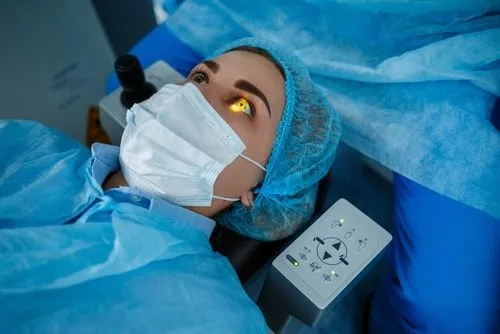
What Glaucoma Surgery Involves
Glaucoma surgery includes several surgical options that aim to reduce intraocular pressure by improving fluid drainage from the interior of the eye. An ophthalmologist at Chapel Hill Ophthalmology in Chapel Hill, NC evaluates each patient’s condition carefully before recommending the most appropriate eye surgery option. The most common procedures include trabeculectomy, tube shunt surgery, laser-based treatments, and minimally invasive glaucoma surgeries, each with specific benefits and considerations.
The Role of the Eye Doctor
An ophthalmologist is a medical doctor specializing in eye care, including diagnosing diseases, performing eye exams, and conducting complex surgical procedures. At Chapel Hill Ophthalmology, our team integrates advanced diagnostic tools, thorough eye examinations, and personalized care plans to manage glaucoma effectively. A comprehensive eye exam includes measuring intraocular pressure, inspecting the optic nerve, and testing peripheral vision, allowing the ophthalmologist to detect changes that might indicate glaucoma. If surgery is indicated, the eye doctor will discuss the recommended procedure, potential benefits, and possible risks in detail, ensuring patients understand their options and what to expect. Early detection through regular eye exams is essential since glaucoma often has no early symptoms and can progress silently, leading to irreversible vision loss before noticeable signs occur.
Recovery and Ongoing Care
After glaucoma surgery, it is common to experience some discomfort, light sensitivity, or blurred vision in the operated eye, and these symptoms often improve over time as the eye heals. Recovery includes using prescribed eye drops, attending follow-up visits, and avoiding strenuous activity to support healing and monitor the effectiveness of the surgery. Glaucoma surgery generally prevents further vision loss, but it does not restore vision that has already been lost.
Advanced Eye Care in Chapel Hill, NC
At Chapel Hill Ophthalmology in Chapel Hill, NC, experienced ophthalmologists provide advanced care for glaucoma and other eye conditions, offering expert eye exams, surgical interventions, and tailored treatment plans. To learn more or schedule an appointment, call our office at (919) 942-8701. Regular eye examinations and timely intervention by a qualified eye doctor are vital parts of eye health, and when surgery is necessary, skilled care at a trusted practice helps ensure the best possible outcomes.